
What's a FICO®?
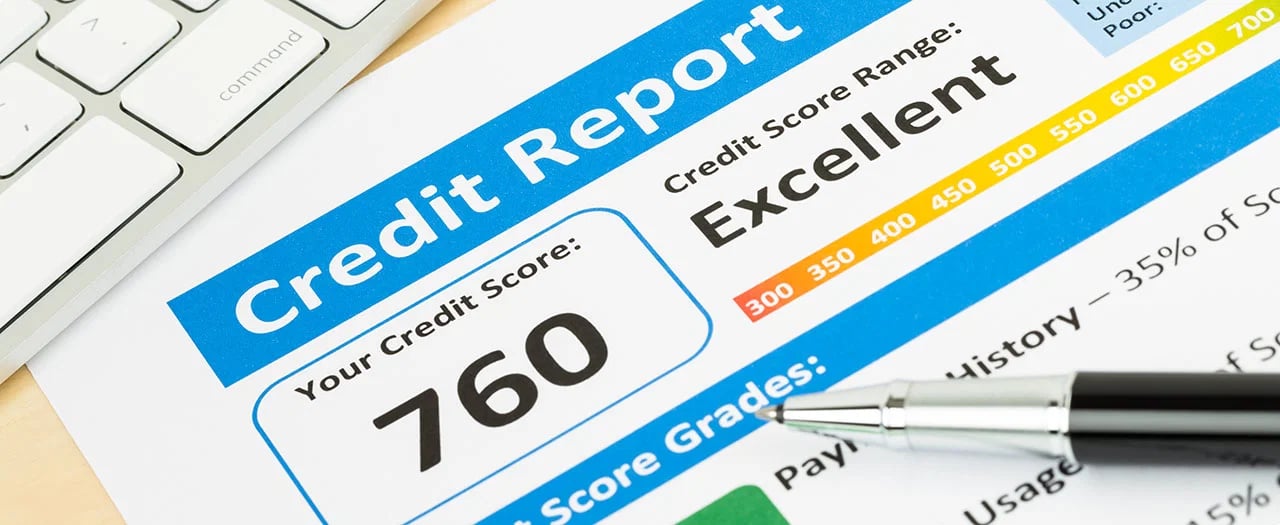
FICO® stands for Fair Isaac & Company and is the name of the most well-known credit scoring system, used by Experian. The credit bureau’s computer evaluates a complete credit profile and assigns a score, which is used to estimate creditworthiness. Each of the three bureaus (Experian, Trans Union, Equifax) employs its own scoring system, so a given person will usually have 3 separate scores. Someone with a higher score will be viewed as a better risk than someone with a lower score. Typically, scores will range from about 600 to 700 or above, although some cases will be outside this range.
There are as many answers to this question as there are loan programs available. Most lenders will take the average of all 3 scores to evaluate an application. Niche loans, such as Easy Qualifier and low down payment loans will have higher FICO® requirements.
The FICO® model has 5 main elements:
Your score can only be changed by the way that item is reported directly to the credit bureaus (Experian, TU, Equifax). Written confirmation from the creditor is required. It is best to make these corrections before you try to purchase a home, because you can never be sure the exact impact a change will have on your score.
You should have your credit reviewed BEFORE you look for a home, and work with a PROFESSIONAL loan officer to make sure your loan is based on the most accurate information.

Discover the essential strategies for marketing your home effectively to secure the best price.

Learn how to properly document your assets and verify your down payment for a smooth home buying process.

A comprehensive guide to understanding the various closing costs involved when buying or refinancing your home.

In addition to being pre-approved, it’s important to be pre-approved with a legitimate lender.

Understand how your FICO® score influences your mortgage approval, interest rates, and overall home buying power.

Discover why title insurance is a vital investment for homebuyers to protect their property rights and ensure peace of mind.

Demystifying the closing process: A guide to understanding title and settlement costs for your new home.

Learn the risks, the different types of foreclosures, and the essential steps to protect your investment.

Foreclosed properties are very likely to be burdened with overdue taxes, liens and clouded titles.
Looking for a Realtor® who listens and guides you personally? Let’s talk about your goals and create a real estate plan that fits your next chapter and priorities.